

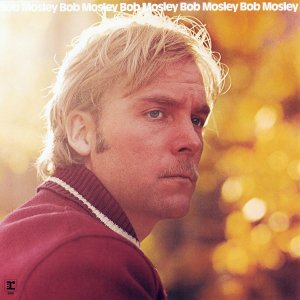
Bob Mosley - Bob Mosley 1972 Record Reworked released Dec 6, 2024
Bob Mosley
Bob Mosley
Reworked, remastered and re-released — at last!
The list of artists who cite 1960s rock legends Moby Grape as an influence is unsurprisingly diverse. After all, the Northern California combo consisted of five gifted songwriters whose unique creative sparks came together as a cohesive whole. Although shady business dealings ultimately undid Moby Grape by 1971, each of the band’s members might have gone on to long careers, if not outright stardom. That’s certainly what should’ve happened for bassist and singer Bob Mosley, who released his eponymously titled Warner Bros. solo debut in ’72.
The eleven tracks recorded for the album sure packed a wallop. Mosley had given the Grape its rugged, bluesy aspect, and his own LP went that way, full-throttle. Unfussy songcraft with forthright lyrics suited Mosley’s deep, powerful voice—through straight-up rockers like “The Joker,” the propulsive pop of “Let The Music Play” and “Squaw Valley Nils,” and the groovy-greasy, horn- swaggled soul of “Gypsy Wedding.” The sessions captured the bouncy R&B of “Nothing To Do” and the plaintive yearning of country-tinged “Thanks.” With “Hand In Hand,” Mosley brought a tough edge to an unabashed love song, while “So Many Troubles,” the moving closer, was swathed in haunting keyboards and woe-begotten guitar.
Muscular musicianship came from a core group around Mosley on bass: drummer Alllen Wehr and guitarists Woodie Berry and Frank Smith. The sessions also boasted the Memphis Horns and pedal steel by Ed Black. So how could such strong tunes and stellar playing result in a record that didn’t soar to the top of the charts, satisfying Moby Grape fans and new listeners alike?
To answer that question, let’s go back to the list of artists mad for Moby Grape. Along with Robert Plant, Little Steven, Beck, Chrissie Hynde, Cat Power and Jeff Tweedy is singer/songwriter/producer John DeNicola. “As a big Moby Grape fan, I anticipated any solo records from the band members, and I got this LP as soon as it came out,” DeNicola recalls. “I listened to it recently and thought the low end of the bass and drums were thin, making the overall sound of the songs less than ideal. I thought, ‘If I could only get my hands on the original multitrack, I would love the opportunity to remix it—better balance the rhythm section with the rest of the music to make it sound as it should. It’s there, it just needs a boost.’”
If anyone knows how things should sound, it’s John DeNicola. In the 1980s, he wrote the music for both monster hits from the Dirty Dancing soundtrack, “(I Had The) Time Of My Life” and “Hungry Eyes,” earning an Academy Award and a Grammy nomination. In the ‘90s, his ears for talent led him to discover a baby band called Kara’s Flowers, who later changed their name to Maroon 5. Via his boutique label, Omad, he not only releases his own solo work, he produces a spectrum of artists in different genres—the only connective tissue being that DeNicola digs them. What’s more, though an accomplished multi-instrumentalist himself, DeNicola had been a bass player in his early bands, so he had a particular interest in doing right by Mosley. “Bob was one of the most influential rock bassists of all time, and for a bass player’s record to be light on bass is not optimal,” he deadpans.
Clearly, DeNicola was the ideal person to help Bob Mosley fulfill its sonic promise. Trouble was, the original multitrack—which would have let him literally start from scratch with a full-on remix—was
missing. DeNicola didn’t let that stop him, however, obtaining instead the master two track DDP file from Warner Bros. “With that, I was able to ‘de-mix’ the record, separate out the drums, bass and vocals using a combination of AI programs, and then get the bass and drums up in volume. Not a complete remix, no, but I was able to balance the rhythm section with the music, resulting in a fuller sound.”
Now, Omad is releasing Bob Mosley on CD (consult any hipster—the format is coming back!) and potentially on vinyl as well. “I’m really happy with it,” DeNicola says. “I think it sounds the way it was originally intended to, and it feels great to give people an opportunity to hear Bob’s masterpiece the way it never really was before.”
Perhaps the best news? All profits from the record will go to Mosley, a former Marine who has had his share of struggles off and on during his 81 years on the planet. “Bob’s actually doing well these days, living in California with his lovely wife Connie,” DeNicola says. With his first solo album getting a whole new life, Bob Mosley can finally encourage listeners to do what he asks on “The Joker,” the opening track: “Understand and believe my worth, hear what I have to say.”
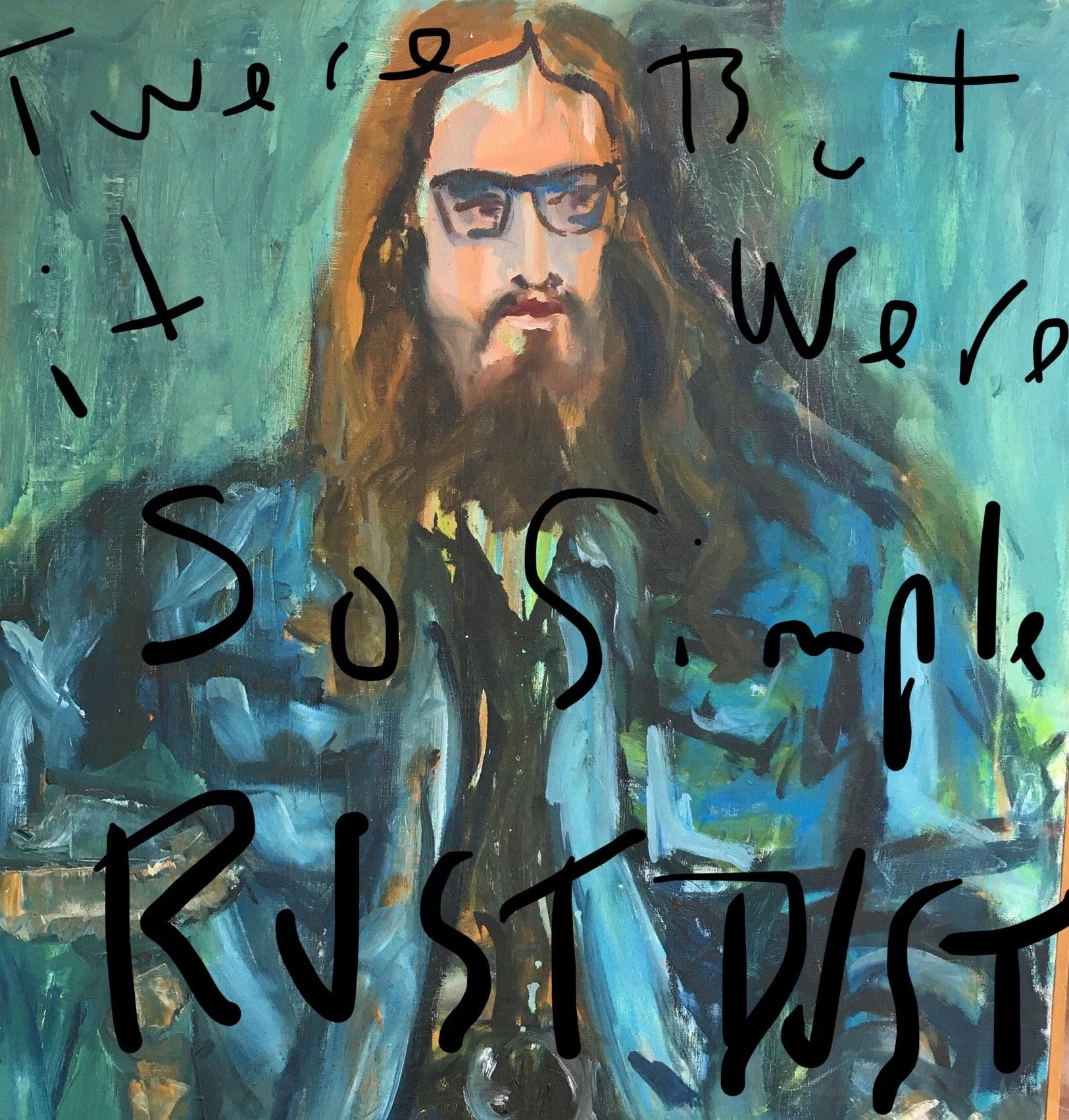
Rust Dust
Facebook - Twitter - Instagram
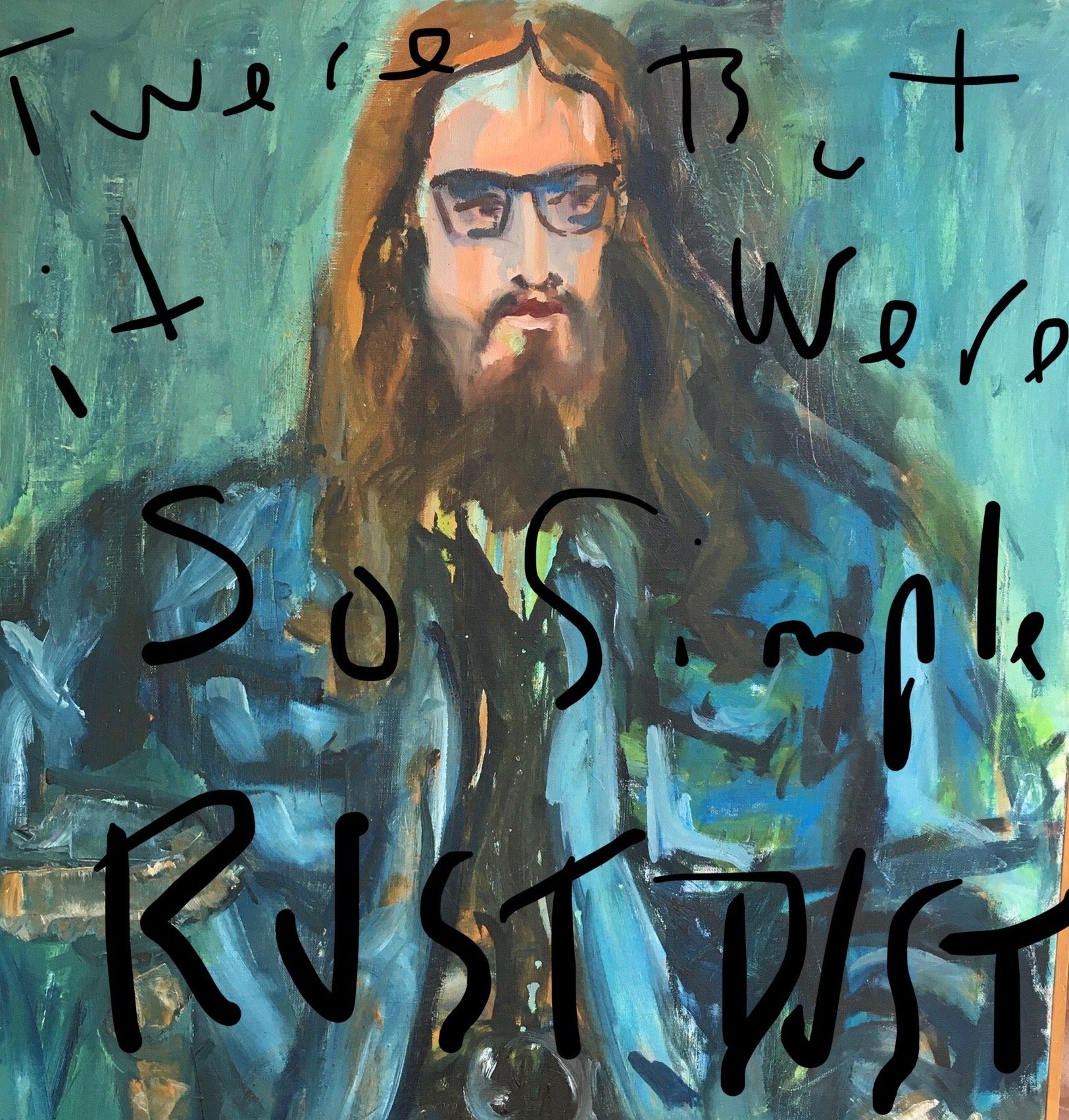
Twere But It Were So Simple - Release Date March 10. 2023
Purchase CD Here Purchase Digital Download Here
Some artists are deliberate in what they do, while others eagerly accept the mystery of it all. Jason Stutts, who goes by Rust Dust on record, belongs to the latter group, allowing songs to take shape in mere minutes or over the course of years, serving them the best he can with whatever sounds, words, energy and emotions manifest. “I don’t typically sit down to write a song. Sometimes I’m lucky enough to recognize them when they appear,” he says.
Happen they did, for Twere But It Were So Simple. Rust Dust’s second LP for Omad, is a deceptively simple, spacious-sounding LP recorded live in a ramshackle Brooklyn brownstone. The jaunty instrumental eye-opener “Helter Fukov Awakens” segues into some improbable guitar pop, with the “all-lit-up-with-nowhere-to go” gusto of “UFO.” The tasty “Ice Queen Sandwich” and “Speaking In Tongues” vibe together like Robyn Hitchcock cornering Townes Van Zandt at a buoyant, boozy rent party.
Things take a slower, somber turn on the delicately played and achingly sung title track conjuring images of “snakes in my pockets, and a rope around my neck,” and “Sky,” a haunting, heartbreaking collaboration with Omad main man John DeNicola. There’s also a New Orleans-inflected number, “Must Be Jelly”—plucked and blown on banjo and trombone—and a handful of covers, including a driven “You Got To Move,” inspired by the Rev. John Wilkins’ arrangement, and a sparsely elegiac version of Dylan’s “Knockin’ On Heaven’s Door.”
Throughout, the album has a kick of country and an ample serving of blues roots to be expected from a devout guitar geek whose floor-to-ceiling collection includes guitars dating from the 1890’s to the 1960’s. (Full disclosure: Stutts’ day job is repairing and restoring such stuff.) Remarkably, though, the only two guitars used on Twere... are a Godin Multiac, a modern nylon-string electric designed to sound acoustic when plugged in and an old Yamaha nylon. “The Godin is a practical, utilitarian instrument, but, yeah, a pretty odd choice, considering my vintage leanings,” Stutts admits.
It was a shared appreciation for old gear that first brought Stutts and DeNicola together, and in 2017 the Oscar-winning, Grammy-nominated producer and songwriter helmed Diviners and Shivs, the first Rust Dust record. While that album was also recorded live, it got made in DeNicola’s upstate New York studio; the lockdown of the last few years led Stutts to go full-on DIY for the follow-up. “I really enjoyed working in John’s barn, with him and our engineer, Andris J. Balins, on Diviners and Shivs,” he says. “But when these songs felt ready, I just set up multiple microphones and played them through an amplifier. With the exception of “Must Be Jelly,” basically what you hear is how they came out live with a few effects in the mix.”
Maybe it’s not all that mysterious after all. Maybe it’s just that simple.
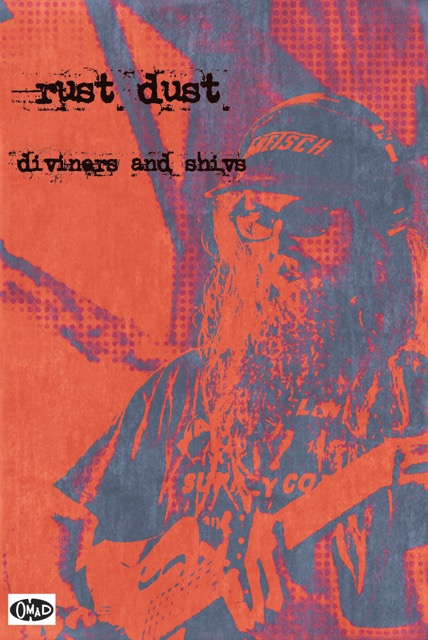
Diviners and Shivs
Here’s what you’ll get with the outlaw folk of Rust Dust’s Diviners and Shivs: One voice, a few fine old instruments, and an unflinching, all-of-a-piece performance that will reach you in the moment and resonate with historical memory.
Rust Dust, formally known as Ardell Jason Shealy Stutts, is a South Carolina native with a healthy aversion for barbers and liars. He earns his keep repairing and dealing in guitars and amps of a certain age. After bonding with Oscar-winning, Grammy-nominated producer John DeNicola over their mutual affection for this sort of vintage gear, Jason explained his concept for a record.
“A set of songs came together. I rearranged and de-arranged them until they tell the story of Diviners and Shivs,” Jason says. “They seemed to fit naturally with the country, blues and gospel songs I always held dear, and I hoped to record them, live, with someone who wanted to contribute to the sound and feel so that this wasn’t just a ‘dude with an acoustic’ record.”
John was in. “Jason wanted to do this like a performance art piece, a live recording straight to two-track tape, and I thought my barn studio in upstate New York would be the perfect setting,” John says. “While Jason would be the only guitarist and singer, he saw the project as the work of a ‘band,’ with me and our engineer, Andris J. Balins, ‘playing’ the gear.”
So Rust Dust made use of the large hayloft and milk house, placing different mics in various locations to capture subtle nuances. They even used the corn silo as a reverb unit, putting a mic at the top and bottom and sending Jason’s voice and guitar through a speaker. Then they left the building entirely and recorded outside.
You’ll hear this process in the prison-break intensity of the title track and the rawboned blues of “Just Can’t Keep From Crying.” You’ll feel it in the acidic sincerity of “Nothing Hurts Worse.” You’ll know it through a medley that teams Townes Van Zandt’s “Lungs” with Rust Dust’s “Modern Times,” a tragedy for the Trump era with rough and tumble guitar, before seguing into the possible salvation of “Everything Got Softer.” By the time you reach the end of Side Two, with the almost jaunty delivery of “Wayfaring Stranger” and an “Amazing Grace” from your strangest dream, you’ll believe in salvation, goddamnit.
“I hope everyone can listen and dream their own story of Diviners and Shivs. John and Andris made sonic changes live and played the barn, board and tape machine while we recorded straight to tape. It gives the album a cool sound and movement.”
Adds John: “What you hear is simply wonderful songs, with all the excitement and immediacy of a great live performance. Diviners and Shivs harkens back to music that was pure and raw while still being very contemporary—an heir to Woody Guthrie, Bob Dylan and Ralph Stanley that reflects a unique take on the world right now.”
Purchase at iTunes, CD Baby or Omad Records below
First song from the sophomore release by Rust Dust “Twere But It Were So Simple” Free Download Here Free Download

Second song released from the sophomore album “Twere But It Were So Simple” Free Download Here




FOVEA
Steve Shaw - bass, guitar, vox
Max Weigel - guitar, vox, keys, electronics
Jake Denicola - drums, vids, foley
Halley Furlong - Mitchell - vox, keys, violin
Facebook - Twitter - Instagram
Bandcamp - CD Baby - YouTube - Spotify
The function of the fovea—a cone-laden well within the retina—is discernment of depth and detail. And for New York-based four-piece Fovea, depth and detail are all. On the surface you get the giddy whimsy of boy-girl vocal volleys and keyboard quirks, but the more you listen, the further you’ll delve...and the more you’ll perceive.
Perhaps the best part? Fovea’s music—an aural kaleidoscope spinning rock, pop, jazz, ambient and psychedelia—will be yours and yours alone. “There’s a universality to what we do that lets listeners understand our songs in their own way,” says Halley of pencil me in, the band’s full-length debut for boutique label Omad.
A daring joyride fueled by “real” instruments and chimerical synths, pencil me in is as prickly as it is pleasing. First single “Cost Of” is lounge-y and lissome, its seductive ease provoked by intricate rhythms. Cool jazz cornet and teasing high hat swirl just ahead of melancholy on “S’appeller,” while the drum-propelled spectral dream state of “Always” may be as close as fovea comes to a true love song. And the buoyant “Don’t Play” does play — with ideas of desire and independence, its “he says/she says” tag team stirring the pot in, under and around its peppery pop.
The band members—drawn to each other despite sonic backgrounds and influences as far flung as hip-hop to opera—began developing their impossible-to-pin-down sound while at Skidmore College in 2014. From the start and to this day, their approach has been collaborative. “Someone comes in with an inkling, and we’ll workshop it through improvisation or discussion,” Max explains. “We all like to toy and tinker with structure, groove and lyrics,” adds Steve. “Our aim is to retexture familiar sounds in a way that opens ears to new applications and permutations of ‘traditional’ pop music.”
If that makes for a certain complexity, so be it. “Our stuff is pretty involved, often with multiple changes and parts within a song,” says Jake, admitting, “We definitely don’t make it easy for listeners. We want to challenge you a bit.”
Don’t expect to be spoon-fed literal lyrics either. “We have no intention for how our words should be received,” says Halley, who with Max pens the lion’s share of Fovea’s abstract poetry. “We’d rather encourage interpretation and connection than impose anything specific.” Yet Max allows: “We do a lot of social- and self-examination—the band is a musical means to explore ourselves and our surroundings—so it would be cool to inspire our listeners to do the same.”
Fovea did just that with their 2016 EP Fear Of, which Sound Review called “A statue of sound, a monument of creativity and true expression.” The single, “Puppy,” had a self-produced video (check it out—we defy you to wipe that smile off your face https://www.youtube.com/watch?v=a5HFzO6S82o) and helped the band land a coveted session at sneaker giant Converse’s Rubber Tracks studio in Boston. Fovea also gigged around a bunch, offering their growing fan base a whole other experience. “We have a dreamy, subdued effect on record, but we’re louder and more aggressive live,” says Jake. “Lots of feedback, distortion, digital effects—a much wilder realm.”
Sweet and striking. Twist and turning. Fun and confounding. In your face at a venue near you; in your space with pencil me in. Do yourself a favor and make a date with Fovea. Put it on your calendar. In ink.
From Glory in Sound Review Jan,12,2017
Fovea is an electronic dream pop psych rock band from New York, New York. A little on the lounge-y side, a little on the jazzy side, Fovea’s summer 2016 release is well composed and a joy to listen to. It’s engaging, with its delicate guitar layers and angelic vocal harmonies. It’s subtle in it’s percussive expression, never stepping out of place but always keeping perfect time. Not to say there isn’t some amazing drum tracking here, there really is. The bass and drums hold the wild keyboards and synth. The back and forth between the male and female singer is refreshingly new and exciting.
This is the kind of pop music sound that I always find myself in admiration of. The catchy, creative melodic flow of Fovea is just on another level than can be found in mainstream music. It’s got all of the fun and happy pop sound without a lack of content, Fear Of is practically bursting with artistic merit. I keep coming back to the word art, I think that’s what this album is to me. The way the sounds layer over each other, especially in the song. “TAIW.” It’s masterful, carried throughout by the skilled guitar and synth playing. Every part of Fovea comes together to create a otherworldly, magical whole.
A statue of sound, a monument of creativity and true expression that will easily stand the test of time. Fovea is different, different from anything I’ve ever heard before. With all the musicians in the world, we must remember that our songs are still unwritten. Only we can write them, and they are still important. You, the musician, artist, creator, whatever it is that drives you is important. The work of your hands and mind is significant, and I am reminded of this more and more with each new amazing band I am fortunate enough to hear. Fovea knows how to make a good album, and I can’t recommend it enough.


"An aura kaleidoscope spinning rock, pop, jazz, ambient + psychedelia making for a daring joy ride." Many thanks to @glidemag for the premiere of @foveaband "Cost Of"! #linkinbio gets you to our site for a listen!! Read the article Here


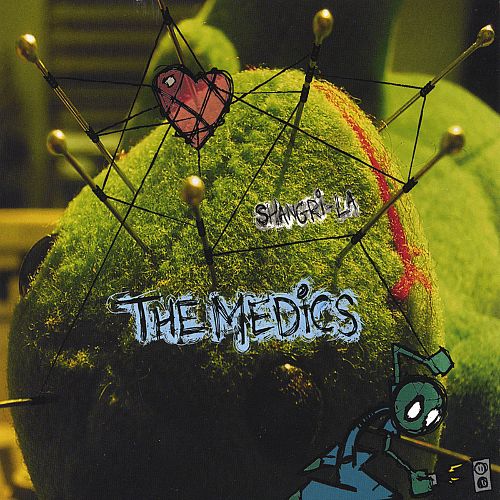
The Medics
Don Von Conrad met Will Vunderink in some summer in the past where they started making potions made of chemicals and music. They played together in several other groups until at a party; the Don met Cameron Wisch and Adir Cohen. The three spent much time bonding over a keyboard, bombarding their own fraction of the board with their fingers. The first legitimate band practice consisted of massive explosions and ferocious dive bomb attacks; they then decided to be the Medics.
Produced by John DeNicola. Recorded and Mixed at Shorefire Studios, Long Beach, NJ. Studio Engineer - Joe DeMaio. Mixed by Joe DeMaio, John DeNicola & The Medics. Mastered by Leon Zervos at Sterling Sound, NYC. All Songs written by Don Van Conrad except "The Bounce" written by Don Van Conrad & Will Vunderink. ©2005 Holy Helium Publishing. Art Direction & Design by Joe Ahearn
Acoustic Junction
Reed McGregor Foehl: Lead Vocals, Guitar
Curtis Thompson: Bass, Guitar, Mandolin, Vocals
Tom Diehl: Drums, Vocals
Tim Roper: Violin, Keyboards, Organ, Flute, Harmonica, Vocals
At the midpoint of Acoustic Junction's first release of all-new studio tracks in four years, songwriter Reed Foehl joyfully exclaims "Oh me, oh my, she's got that look back in her eye! Ooh wee, it's beginning to feel like it used to be!" And indeed it is. Nearly two years after recasting the beloved grass roots moniker they had briefly shed in exchange for ironically loose-fitting Fool's Progress, Boulder's neo-folk outfit has completed their triumphant return from a major label faux pas that nearly cast them into rock oblivion. With the confusion of the name change behind them, the gifted folk-pop quartet is ready to share the spirit of their newborn freedom with the world. - by Rob "Gumby" Hillard, Editor, Deadheads Music Calendars
Or Send your check or money order for $15.00 U.S. for the CD made payable to:
OMAD
52 Grove St. Suite 3A
New York, NY. 10014
Please allow 4-6 weeks for delivery.Please indicate which artist and which album you would like. Orders being shipped outside the U.S. will require extra postage and handling. E-mail us your International address so that the postage can be calculated.

Living Serious
Even at the last of the small dance clubs, they were starting to play music that brought the dancers to a halt, like hunters in a ballet some witch has cast a spell upon; songs so raw, barbed, snotty we would hang our heads and walk off the dance floor
https://www.cdbaby.com/cd/livingserious
The Sighs
The SIGHS is an American power pop band from Holyoke, Massachusetts. They built their reputation playing clubs around New England over an eight year period starting in 1982. It wasn't until 1990 when they played the China Club in NYC that they caught the ear of producers Tommy Allen and John DeNicola, eventually signing with Charisma Records in 1991. The SIGHS brand of power pop is influenced by bands like The Beatles, Cheap Trick, The Everly Brothers and many more. Their debut CD "What Goes On" was released in 1992 on Charisma Records, and the bands follow up CD "Different"was released in 1996 on Big Deal Records. In December 2016 they released the CD “Wait On Another Day” followed by the EP “Tearing My Heart Again” in 2019.
What Goes On is a great slice of '90s power-pop that should appeal to any fan of the genre. Always a little more on the rock side of the pop/rock fence, the Sighs deliver an album full of classic, big drum beats, British Invasion-style vocal harmonies and huge guitars. - AllMusic Review: Pemberton Roach
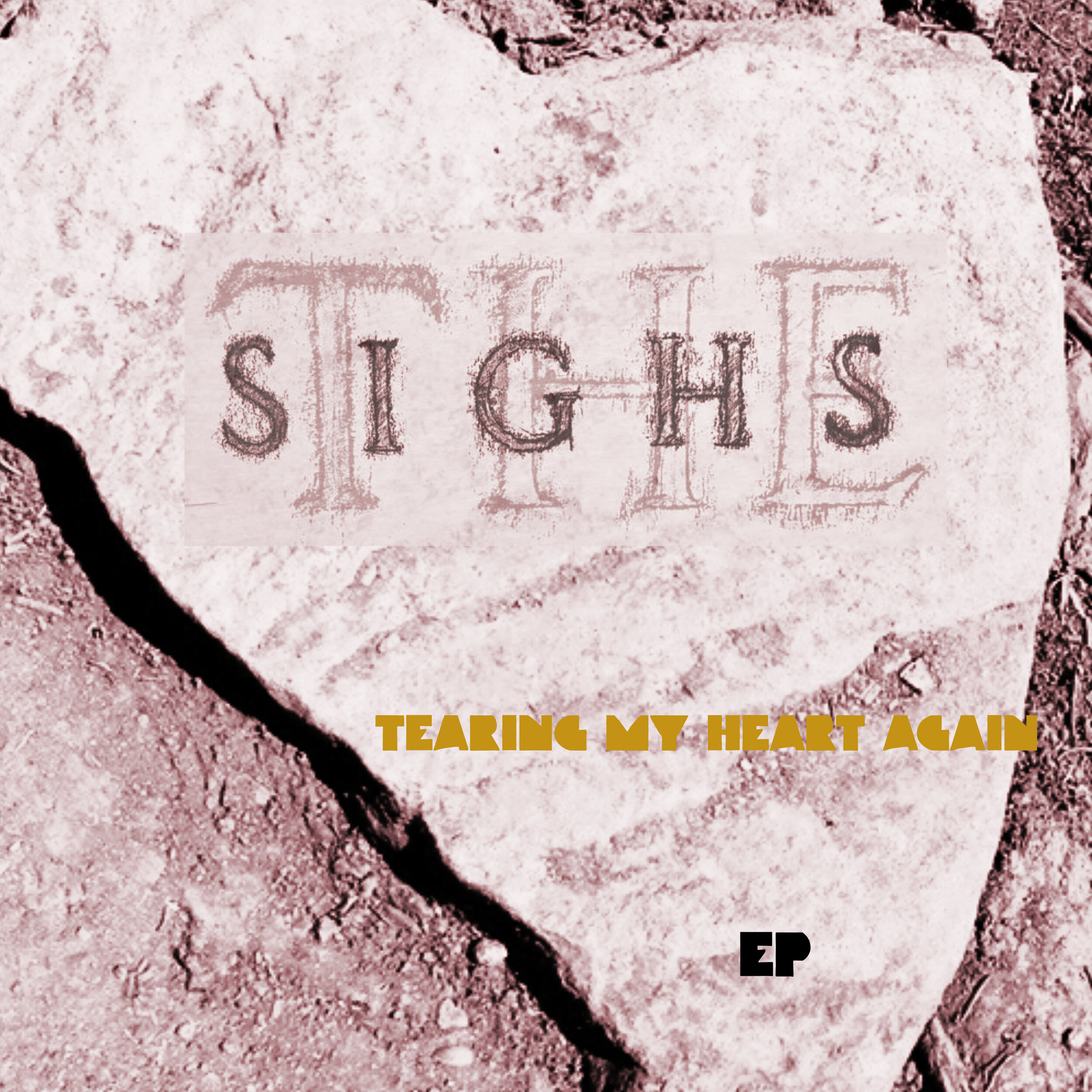
The Sighs "Tearing My Heart Again"
From Destroy/Exist 3/13/20
A great power pop act with a history that takes them back to the eighties, The Sighs reformed after a very long break and released their first album in many years, 2017's Wait on Another Day. Three years later the band come through with a new EP of entirely new material, and introduce it with the very fine, Tearing My Heart Again.
"We were each other’s family for years," lead guitarist Matt Cullen about the time the band has been inactive. "I’ve played with a lot of different people since then, but there’s really nothing like playing with guys who you’ve known for decades."
Vocally harmonious, swooning and memorable, the new song calls to mind the effervescence of The Beach Boys, while its thin layers of subtle wistfulness point to the darkly pop romance of Big Star. Like something straightly out of power pop's heyday in the seventies, Tearing My Heart Again is a shining example of a three-minute pop tune with right amounts of splendor and dramatics, and it doesn't lack anything compared to the acclaimed band's earlier material.
The Sighs are Tom Borawski (drums), Matt Cullen (lead guitar, vocals), Robert LaRoche (lead vocals, guitar) and Tommy Pluta (bass, vocals). The fresh five-song EP, Tearing My Heart Again, releases April 14th, 2020 through Omad Records.
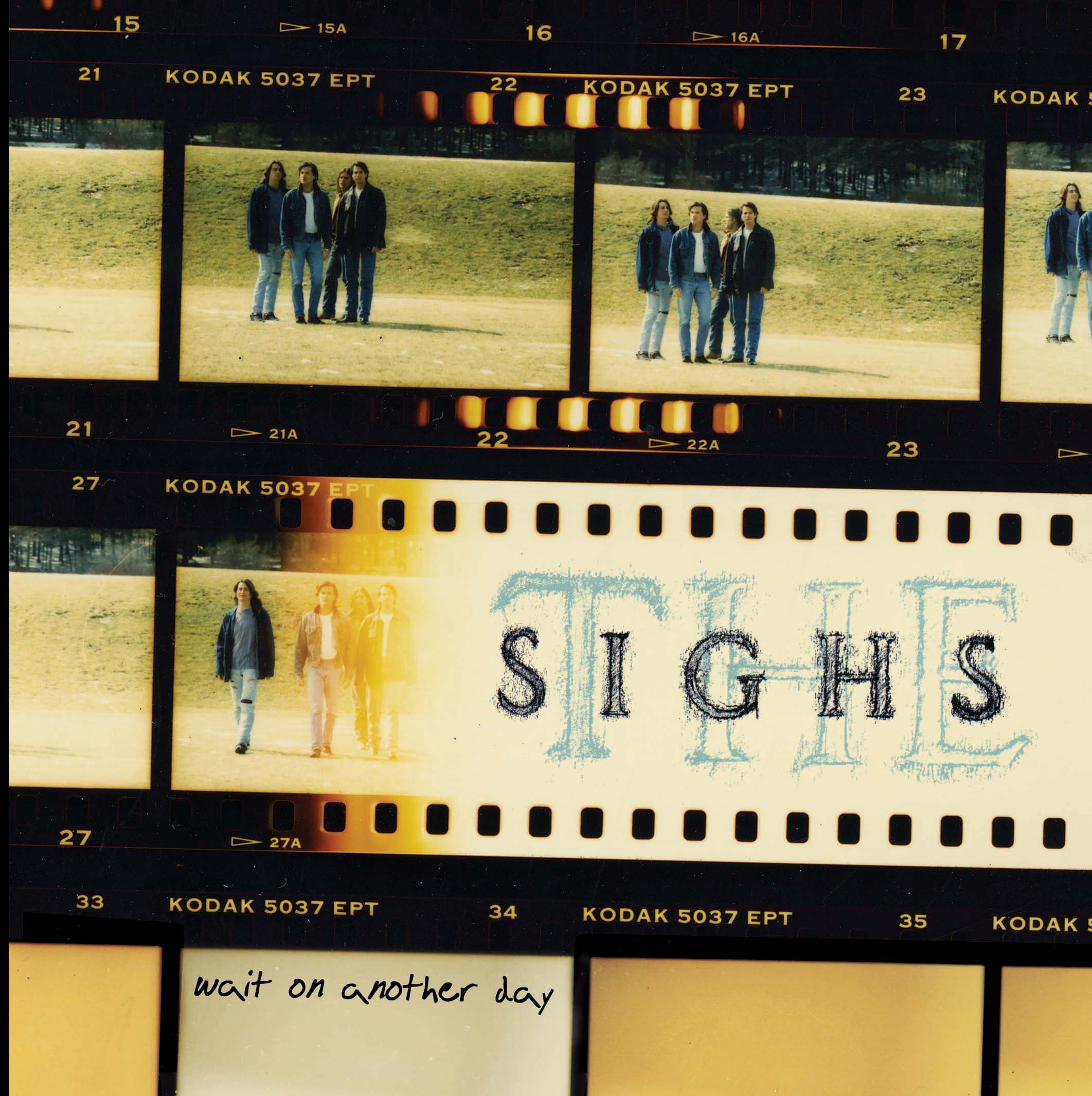
The Sighs
Tom Borawski (drums) / Matt Cullen (lead guitar, vocals) / Robert LaRoche (lead vocals, guitar) / Tommy Pluta (bass, vocals)
More than two decades after releasing their last album, The Sighs return with a third full-length that brings a brand-new vitality to their harmony-drenched guitar driven-pop. Once destined to be a lost record, Wait on Another Day finds the Massachusetts-bred band drawing from an unearthed batch of demos and dreaming up a fresh sound that’s hook-heavy and full of heart.
The Sighs’ first release since 1996’s Different, Wait on Another Day came to life after Cullen stumbled upon a box of analog tapes recorded at their old band house back in the ’90s. Once Cullen had shared the demos with his bandmates and their longtime producer John DeNicola (an Academy Award winner known for co-writing “(I’ve Had) The Time of My Life”), The Sighs decided to meet up in DeNicola’s barn studio in Upstate New York and revisit a handful of the tracks.
“We went into the studio thinking we’d only do a few songs, but it all came together so well and we were having such a great time, we ended up making a whole album,” says Borawski. “It really just took on a life of its own.”
As heard on each cut from Wait on Another Day, that spontaneity brought a kinetic power to the recording process—an effect that’s intensified by The Sighs’ unwavering chemistry. “All the years of playing together left a permanent mark on us,” says LaRoche. “It wasn’t too difficult to tap into our musical and personal bond again.” The band recorded live during their five-day session, channeling the raw energy that made them a must-see act throughout the ’80s and ’90s. “Everything had more of a spark to it than when we made What Goes On, where we put all the songs under a microscope and tried to get it all completely perfect,” notes Borawski, referring to The Sighs’ 1992 debut release for Charisma/Virgin.
Throughout Wait on Another Day, The Sighs explore what Pluta calls “the same things we’ve written about in the past: girls and getting kicked around, hopes and dreams and falling in love.” While Cullen’s intricate guitar work and LaRoche’s warm vocal performance deepen the album’s melancholy mood, the band’s powerful rhythms and indelible melodies ultimately brighten each track. Proving the scope and nuance of The Sighs’ songwriting, Wait on Another Day delivers the hypnotic guitar lines and psychedelic tones of “Words of Love,” the swinging tempo and sunny melody of “Summertime Roses,” and the heavy riffs and savage drumming of “Socialite” (a song about “a brief romance with a girl from a higher social class than I,” according to LaRoche). Another standout, the finely textured, sitar-enhanced “Love from Lisa” recalls Revolver-era Beatles (“We all grew up Beatles freaks, and there’s really no denying that on this record,” Cullen points out). And on the title track to Wait on Another Day—a serenade to “a lovely gal with a thick Boston accent,” says LaRoche—The Sighs offer up a wistful piece of alt-pop that’s undeniably classic.
Formed in Western Massachusetts in 1982, The Sighs began with LaRoche and Pluta—two lifelong musicians who bonded over their mutual love of harmony-driven acts like The Beach Boys, and soon learned that their own voices blended together beautifully. Later adding Borawski and Cullen to the lineup, they quickly made their name as an unforgettable live band. “One luxury of living in Western Mass is that we played all the colleges and clubs for years and years,” says Pluta. “By the time things started happening for us we were primed for it—we sounded really tight and everything was just spot-on.” After crossing paths with DeNicola and his production partner Tommy Allen at New York City’s China Club, The Sighs signed with Charisma/Virgin, released What Goes On to critical acclaim, and toured with such artists as the Gin Blossoms and Dada.
Following the release of Different, each of The Sighs started to strike out in his own direction: LaRoche became lead guitarist and co-writer for singer Patricia Vonne, Cullen worked as a studio musician and touring guitarist for artists like Lloyd Cole, Pluta co-founded active-rock band Mary’s First, and Borawski drummed for the Northampton-based Angry Johnny and The Killbillies. But despite going their separate ways, the band kept in close touch and gradually began playing hometown reunion shows each year at Thanksgiving. “We were each other’s family for years,” says Cullen. “I’ve played with a lot of different people since then, but there’s really nothing like playing with guys who you’ve known for decades.”
With their connection rooted in a pure passion for music, Wait on Another Day promises to thrill The Sighs’ longtime following and the crop of new fans who’ve discovered the band online in recent years. It’s exactly that passion that makes each of the album’s long-buried tracks somehow feel truly timeless. “These new songs were already pretty well-ingrained in us, but at the same time they all felt fresh and new—like we were just playing them for the first time today,” says Pluta. “In a lot of ways it’s like we never put it down, and I think you can really feel that in the music.”
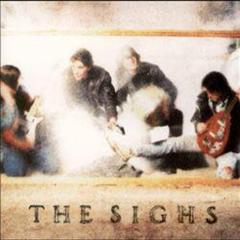
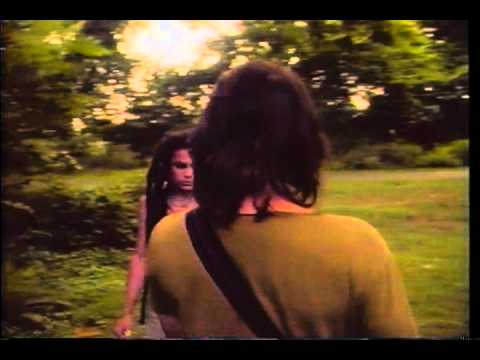
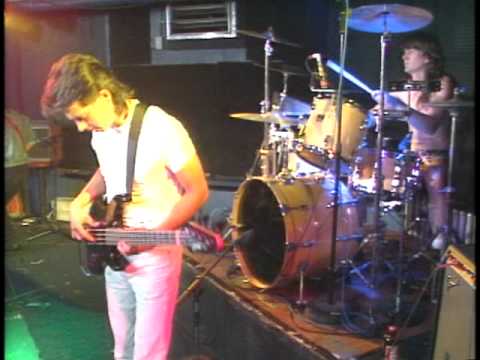
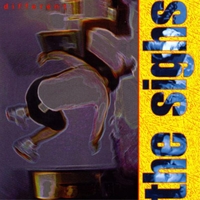
90's Power Pop with heart and soul. Originally released in 1996 NOW AVAILABLE AGAIN



Quisque iaculis facilisis lacinia. Mauris euismod pellentesque tellus sit amet mollis.